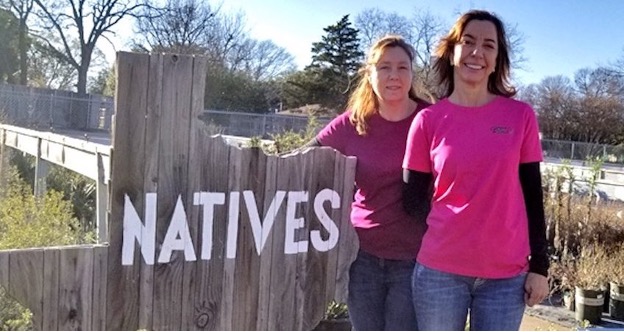
Why Gardens for Texas Loves to Plant Texas Natives
Native Plants
A native plant is local and grows naturally, without human help, in a specific area. Many have thrived and evolved there for centuries, and might include flowers, shrubs, trees, grasses, and vines. Native plants are usually part of a communal effort in the plant population, where several species might have evolved jointly to support other living creatures. Take the case of a flower that thrives in an area where a certain insect community pollinates!
Adapted to Local Environment
Compared to exotic plants, natives can tolerate drought better and may be resistant to attacks by insects and seasonal diseases. Since they have spent centuries adapting to the area’s changing conditions, native plants require less work and resources; once they become established, they don’t require extra fertilizers, winter mulching, or extra water.
Converting to Texas Native Plants
By planting them in your garden, you will be replacing lost food and homes for all kinds of wildlife. More native plants encourage our birds, pollinators and other wildlife to return and forage for food and shelter.
With this simple deed you will be helping to replace those “corridors” that many insects use when migrating or moving around our area. Monarch butterflies, for example, have seen their sources of food and local plant hosts depleted. If they find some milkweed in your garden, they can lay their eggs and load up on nectar as so many other less famous species!
Xeriscaping with Texas Native Plants
here https://www.gardensfortexas.com/texas-native-plants. View our gallery of beautiful plants and a presentation that Jamie and Sandra made at the North Haven Gardens about Xeriscaping with Texas Native Plants. It is full of ideas for converting your landscape to a drought-tolerant, native garden.