0 Comments
Pollinators That Grow in Shade
Will pollinators grow in shade? Answer, YES!
Yes, many pollinator plants will grow and bloom in the shade. While sun-loving species need hours of direct sun, plenty of beautiful perennials, shrubs, and groundcovers thrive in part-shade (3–6 hours) or full shade (< 3 hours).
Top Shade-Tolerant Pollinator Plants
Columbine (Aquilegia): A native favorite with bell-shaped blooms that attract hummingbirds and butterflies.
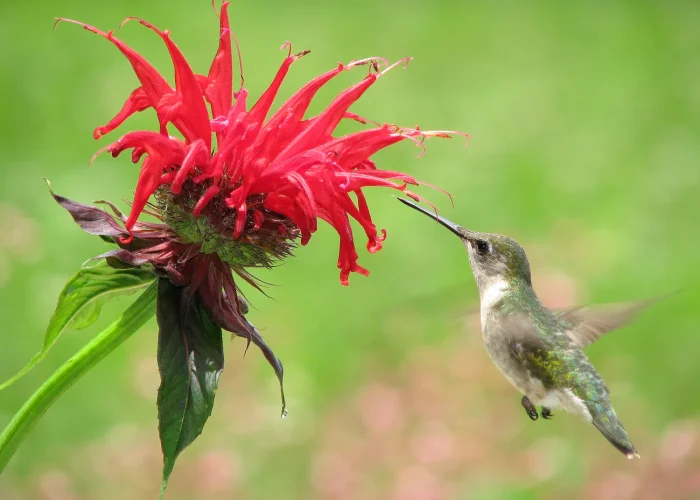
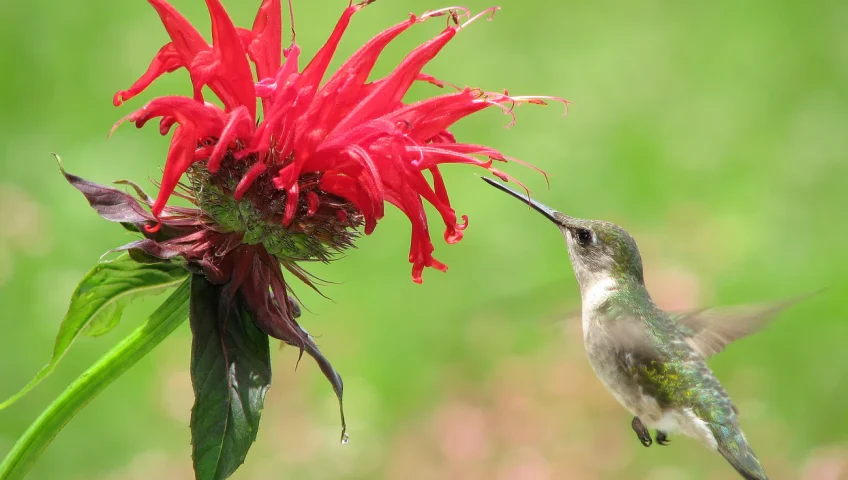
Bee Balm (Monarda): Thrives in morning/light shade and is a magnet for bees.
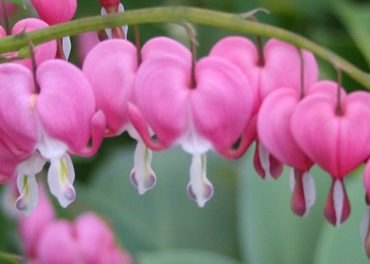
Bleeding Heart (Dicentra spectabilis): A classic shade plant that provides early-season nectar.
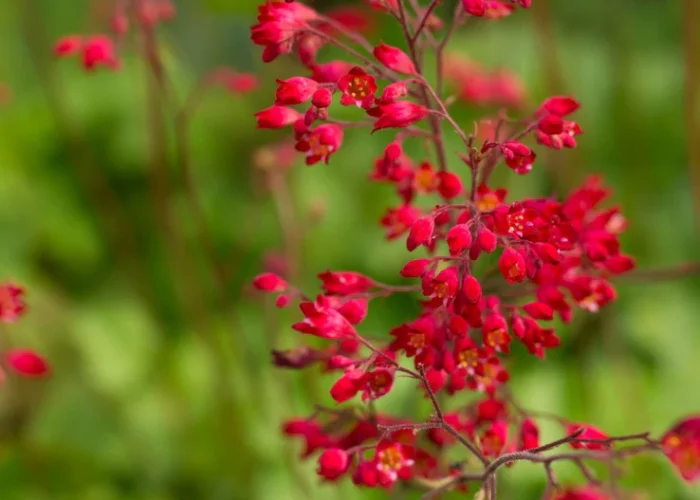
Coral Bells (Heuchera): Excellent for foliage and tall spikes of flowers that attract bees and hoverflies.
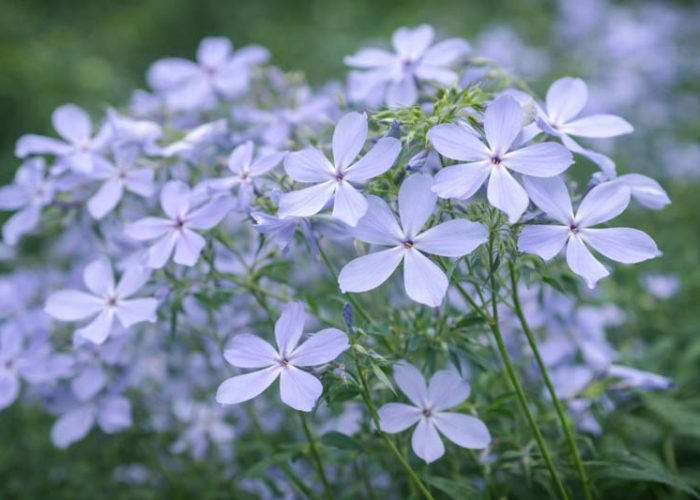
Woodland Phlox (Phlox divaricata): An early-spring bloomer loved by long-tongued bees and butterflies.
Pro-Tips for Shaded Gardens
Choose the right shade: Dappled or morning sun is much kinder to blooming plants than the intense afternoon heat.
Rely on native woodland plants: Native understory plants are perfectly adapted to the dry, filtered light found under tree canopies.
Provide overlapping blooms: To support pollinators all season, mix early-blooming ephemerals with summer-blooming perennials.