Jasmine
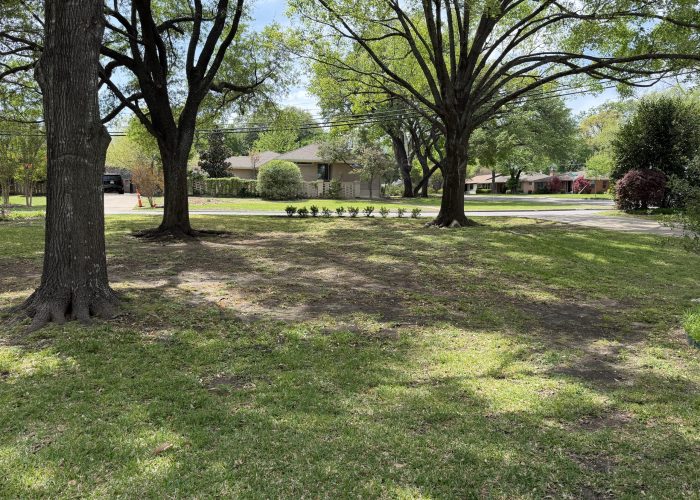
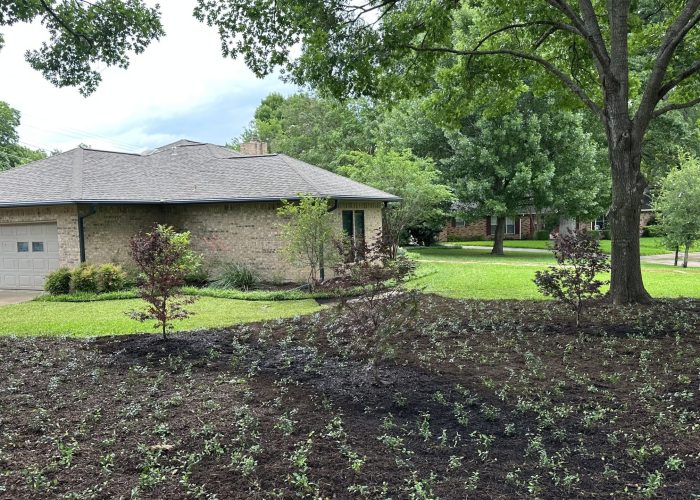
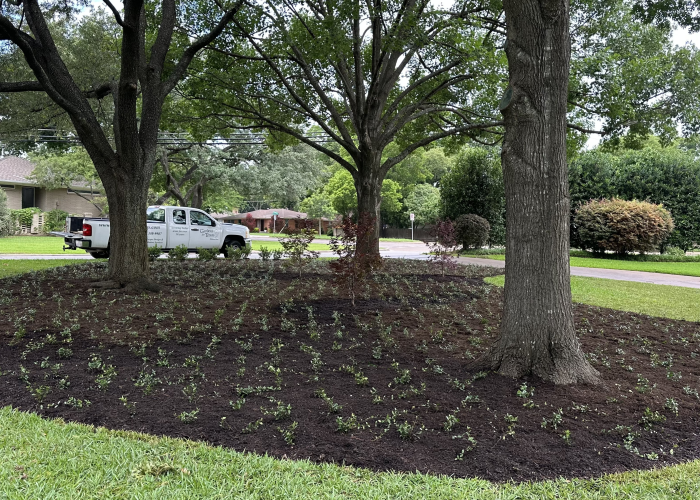
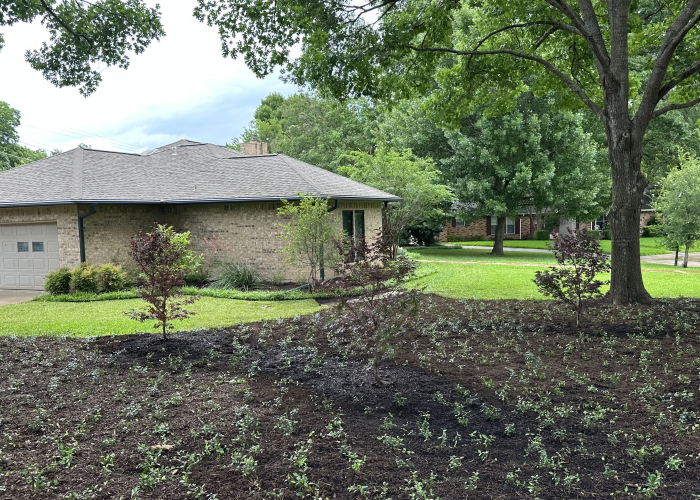
Let’s talk about Jasmine. This beautiful flowering scented plant is often used as a ground cover in shady areas in our landscape projects. There are two dominant varieties prevalent in Dallas gardens. View the gallery that shows a recent installment for one of our clients who had heavy shade under the Live Oak trees…… a common issue in our area.
“Jasmine could be called a ‘miracle plant,’ according to Sandra, GFT owner. It is the perfect plant for the shade. You can plant it where nothing else grows. It also does well in the sun. However, it tends to become invasive if not properly maintained. One must keep on top of regular trimming. It can grow to be very tall or invade grassy areas.”
Which Variety to Choose?
Asian Jasmine (Trachelospermum asiaticum) is a tough, dense groundcover with smaller leaves and muted, creamy-yellow flowers.
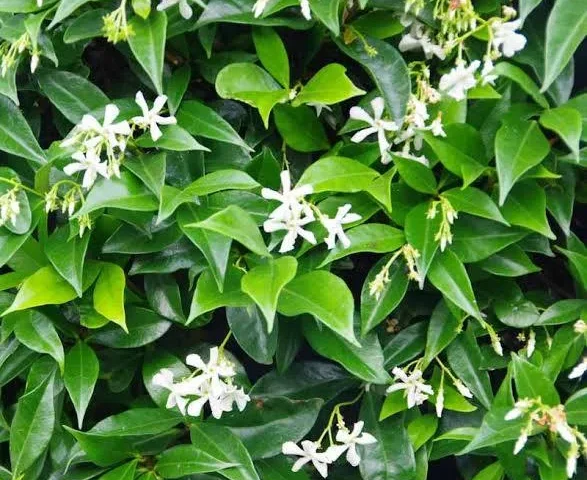
Star Jasmine (Trachelospermum jasminoides) is an aggressive, climbing vine with larger leaves and highly fragrant, showy white blooms.
Choose Asian Jasmine for weed supression and shady solution. Choose Star Jasmine for vertical scent and screening.
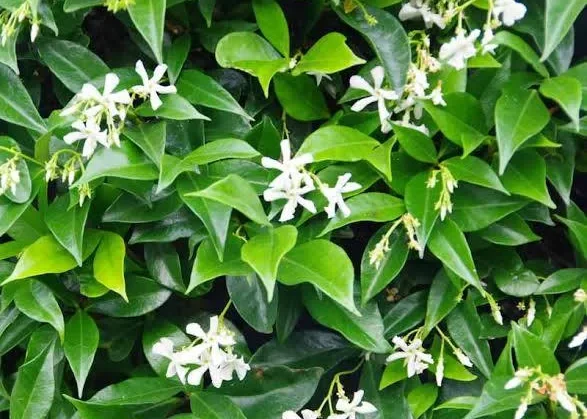 Jasmine is the perfect shady solution to install under live oak trees where nothing else will grow.